
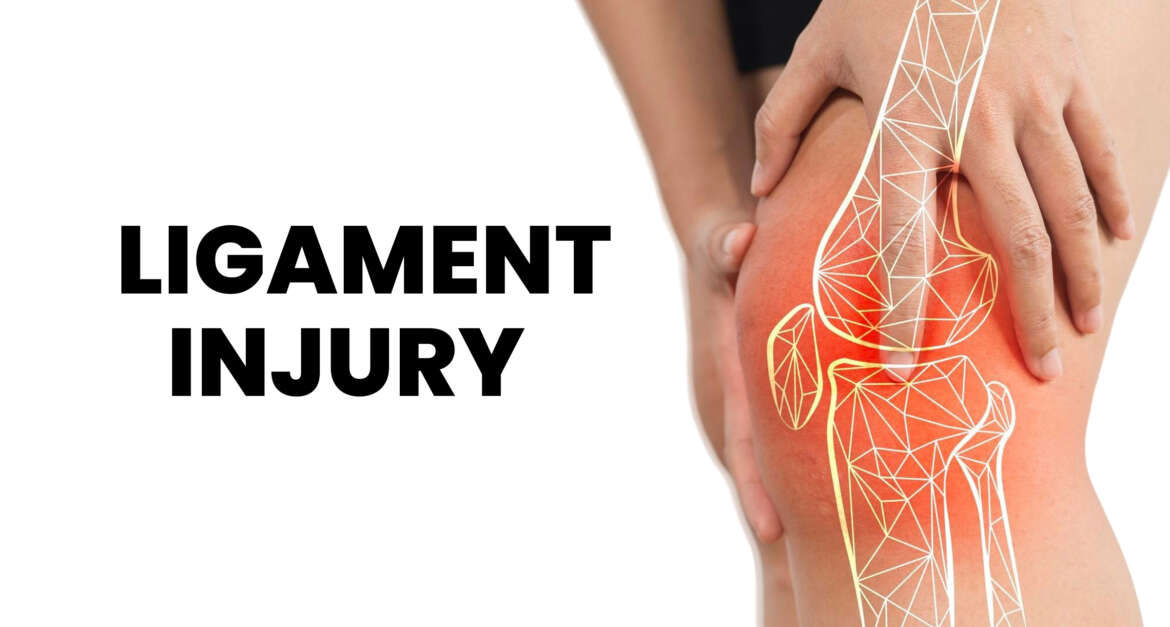
In competitive ball and team sports like basketball, cricket, football, and tennis, sprains are the most common injuries, followed by contusions and muscle strains. Sprains fall under the category of sports and ligament injuries; they include twisted ankles, overextended knees, dislocated shoulders, loose elbows, and many others. Amateur and casual players are more likely to suffer these injuries; however, they are also common among CrossFit, weightlifting, and yoga practitioners.
According to a 2023 longitudinal study completed by Romanian orthopaedic researchers, amateur football players are 27% more likely to suffer ligament injuries than professionals. Amateurs are almost 50% less likely to recover fully; this disparity is explained by inadequate conditioning and treatment. Proper conditioning is crucial to prevent these injuries and speed up the recovery process; adequate treatment makes the difference between returning to normal activities or getting protractedly sidelined.
Understanding Ligament Injuries
Although they are commonly called “sports injuries,” joint sprains can happen in other activity contexts. Soldiers, construction workers, and warehouse employees are prone to these injuries. Essentially, they can happen because of pivoting, sudden changes of direction, falls, awkward landings, hypertension, or repetitive stress.
Sprains happen when joints are forced to move beyond their normal range of motion, thus causing the ligament to stretch or tear. The overextension mechanism results in immediate and debilitating pain, with swelling and instability emerging a few hours later. Depending on their severity, sprains can limit mobility and negatively impact quality of life for undetermined periods.
Immediate Treatment
Although they are not life-threatening situations, sprains should be treated as medical emergencies, meaning that they need immediate attention. Many tennis players, for example, twist their ankles on the court and simply sit down until the pain subsides; then, they test whether they can finish the match. The correct reaction should be to stop all activity and immediately apply the RICE steps: Rest, Ice, Compression, and Elevation.
You can easily lose almost all mobility in the joint because of the pain and stress of the sprain. When the injuries are not severe and RICE is applied on time, you can expect to regain 50% mobility the next day. If the pain does not subside and your mobility is still reduced after a few days, you should consult an orthopaedic specialist for evaluation.
Diagnosis and Medical Treatment
A physical examination of the sprained joint involves assessing the range of motion, swelling, tenderness, and pain mechanism. Ruling out fractures or deep tissue damage is vital; this can be accomplished with advanced diagnostic tools like ultrasound and X-ray imaging. The severity range starts at Grade I sprains, which can be treated with RICE, anti-inflammatory medications, and analgesics.
For Grade II sprains, your treatment options include immobilisation, bracing, and physical therapy. When dealing with Grade III sprains that hinder mobility and quality of life, you may need ligament reconstruction surgery followed by intensive physical therapy and conditioning.
Contact our Dr Param Ortho clinic to get more information about sports injuries and your treatment options.